By Jill Nichols
September 24, 2026
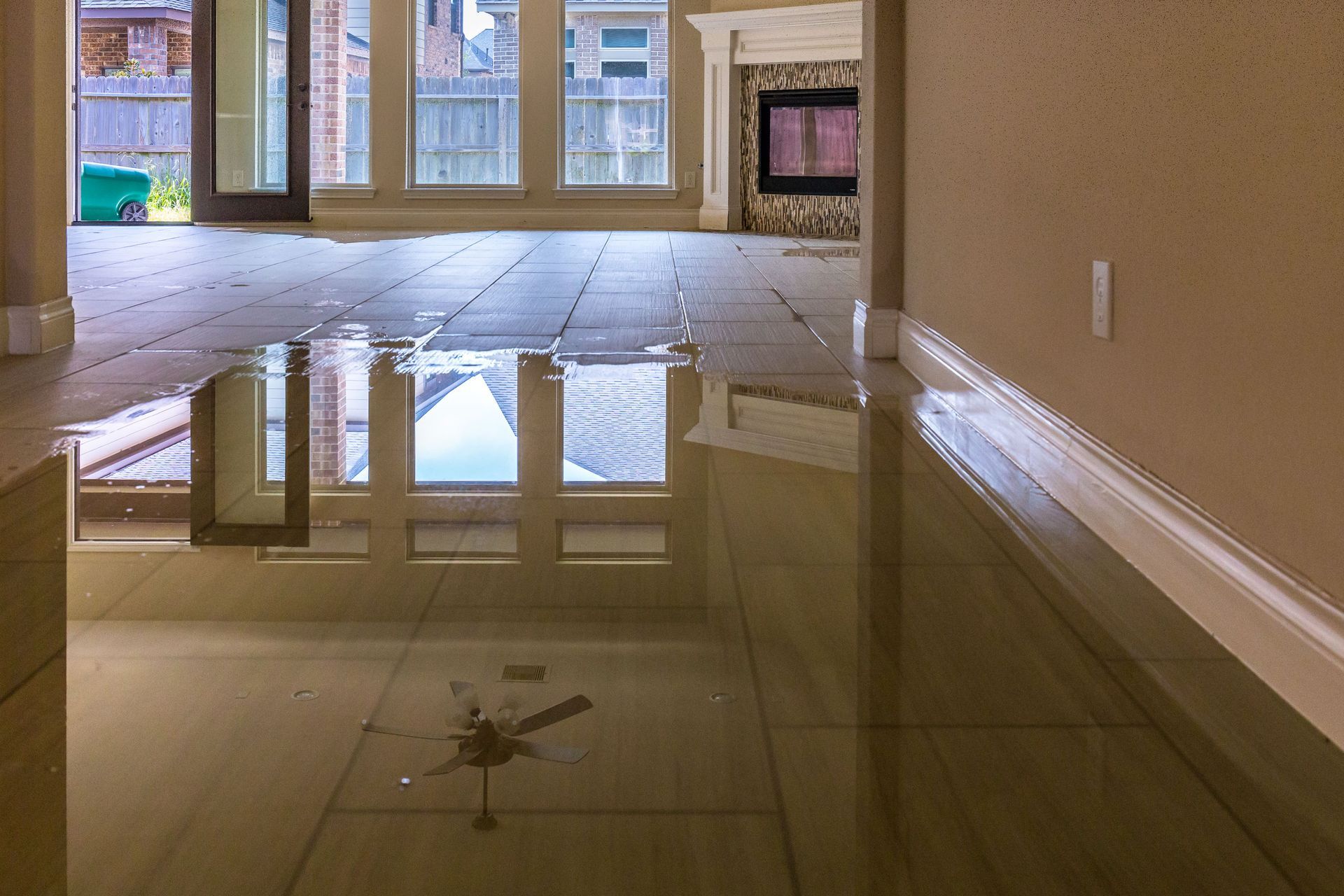
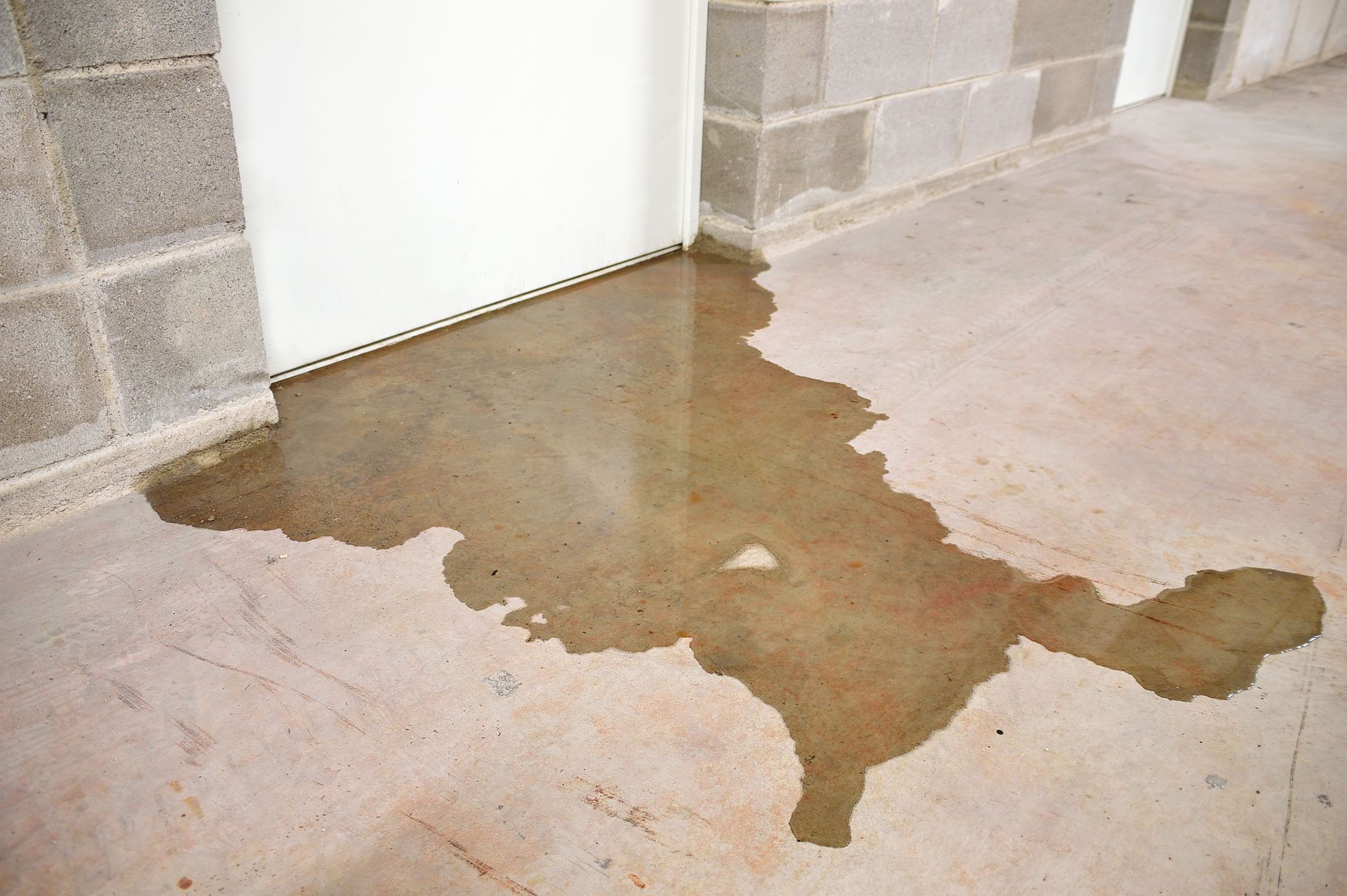
Water damage can strike any residential or commercial property unexpectedly, leaving behind severe structural devastation and invisible environmental hazards that threaten the physical safety and long-term health of every occupant. While standing water and soaked building materials require swift, comprehensive cleanup, the true peril often develops quietly beneath the surface. Mold thrives in moist, dark environments, establishing destructive colonies behind drywall, under subflooring, and inside heating systems long before property owners notice its physical presence. Addressing these severe environmental threats requires specialized equipment, technical expertise, and immediate intervention from professionals who understand regional environmental conditions. Choosing local water damage restoration ensures that property owners receive prompt, customized assistance tailored to their specific emergency needs. By acting rapidly to eliminate hidden moisture pockets, trained technicians prevent extensive property destruction, safeguard structural building integrity, and protect indoor air quality for everyone inside the building.
Understanding the Rapid Timeline of Mold Growth
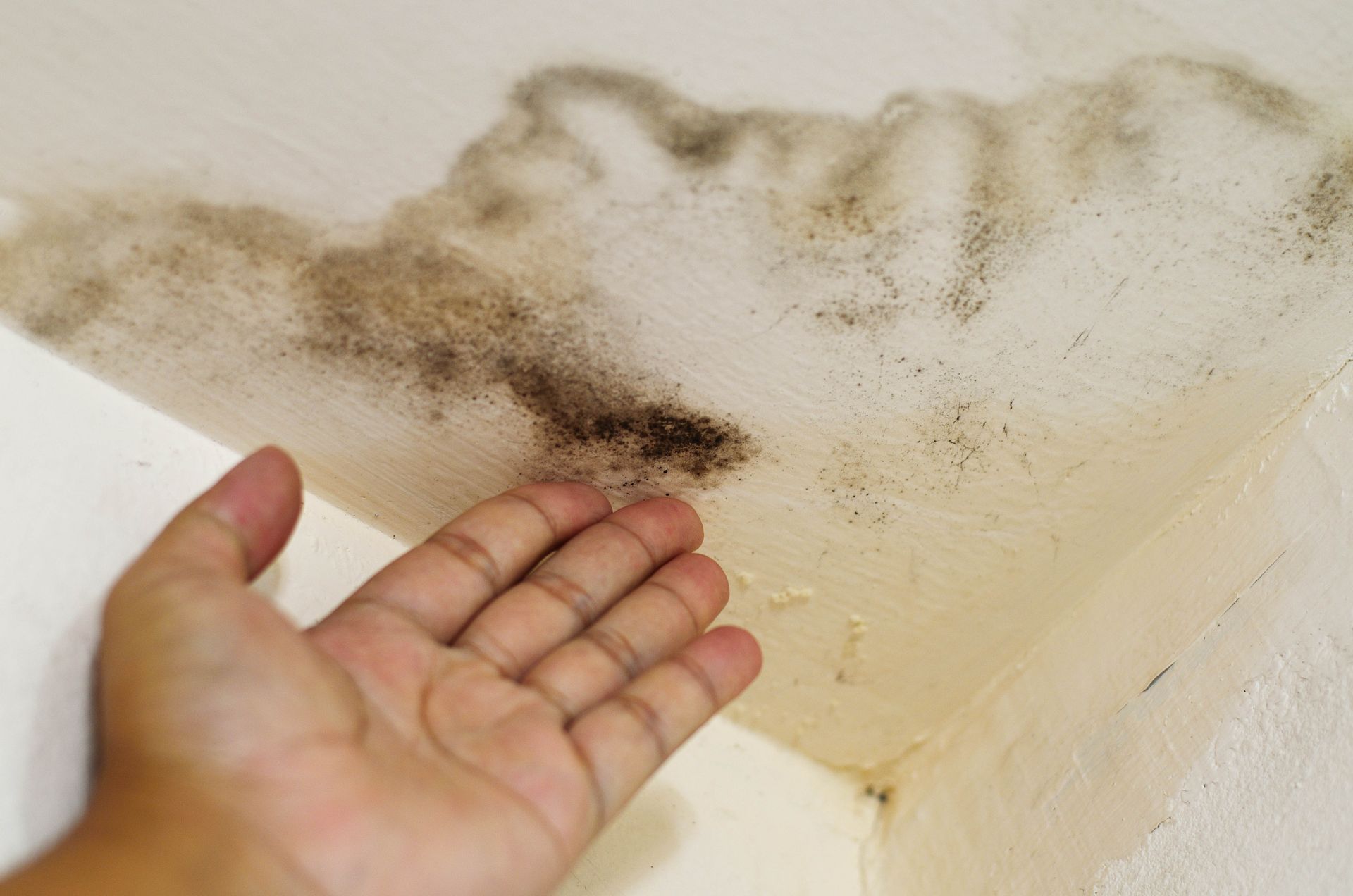
Microscopic fungal spores exist naturally in indoor and outdoor environments, remaining completely harmless until they encounter elevated moisture levels and organic food sources. When plumbing failures, roof leaks, structural seepage, or severe weather events introduce moisture into building materials like drywall, carpet padding, and structural wood framing, these dormant spores immediately activate and multiply rapidly. According to Real Time Lab, it only takes 24-48 hours for mold to grow as a result of water damage. This narrow window leaves property owners with very little time to extract standing moisture and thoroughly dry structural components before microscopic colonies begin to take hold deep within porous materials.
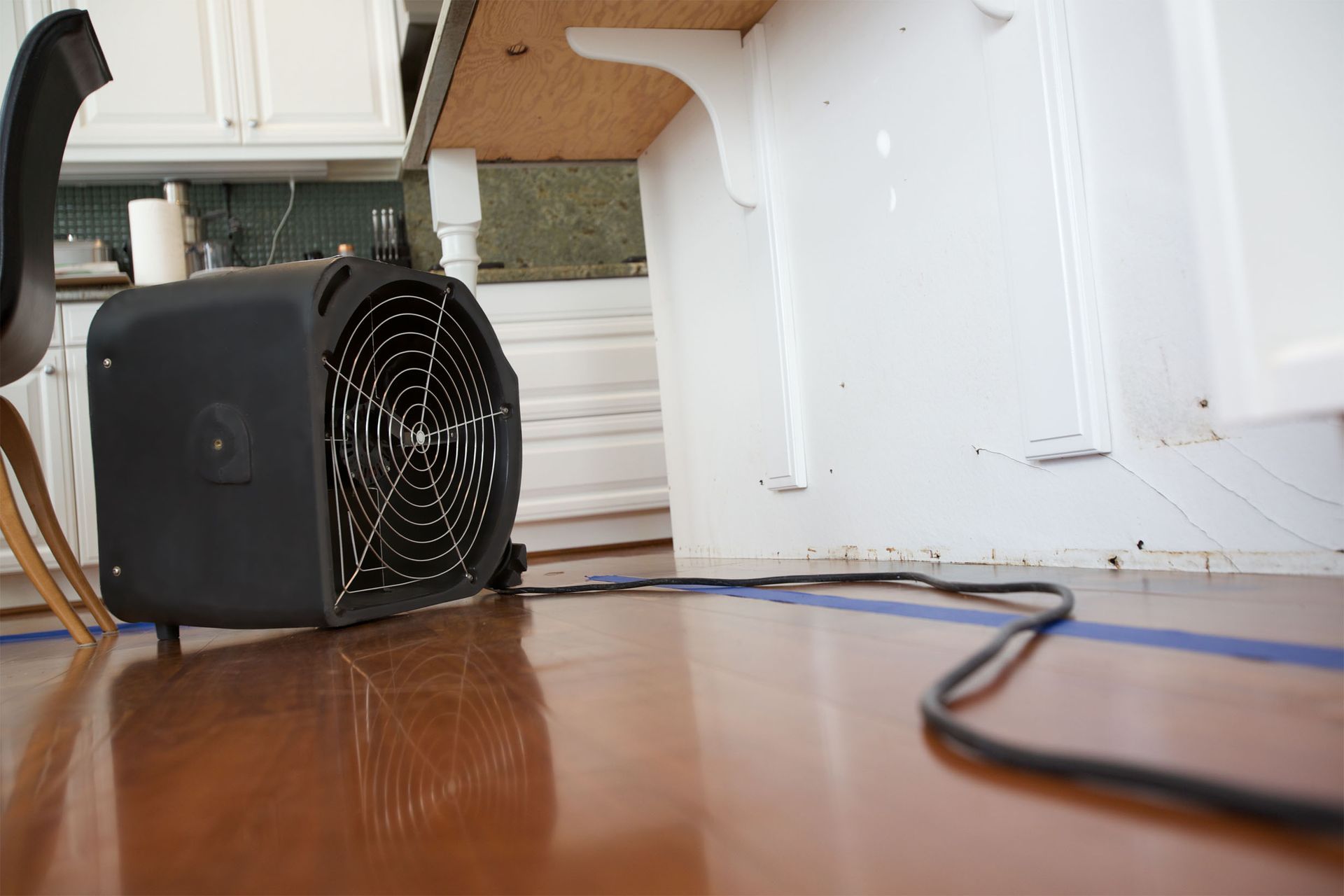
Delaying professional cleanup efforts allows mold colonies to expand exponentially throughout wall cavities, floor joists, and ceiling spaces. As these organisms mature, they feed on organic components within building materials, causing wood rot, structural decay, and severe weakening of load-bearing assemblies throughout the structure. Attempting to dry affected areas using standard household fans often accelerates spore dispersion, spreading contamination into completely unaffected rooms and corridors. Relying on local water damage restoration guarantees that industrial dehumidifiers, high-powered air movers, and specialized moisture meters are deployed immediately, effectively halting fungal development before widespread structural destruction occurs.
Identifying Unseen Health Risks Associated With Airborne Spores
Microscopic fungal spores circulating through indoor spaces pose serious health hazards to individuals who inhabit contaminated properties on a daily basis. Exposure to elevated spore concentrations frequently triggers persistent allergic reactions, including severe nasal congestion, eye irritation, chronic coughing, skin rashes, and persistent throat discomfort. Individuals diagnosed with pre-existing respiratory conditions, such as asthma or chronic obstructive pulmonary disease, often suffer severe symptom flare-ups and acute breathing difficulties when exposed to persistent fungal growth. Furthermore, certain toxic species release harmful mycotoxins into the air, which can lead to persistent fatigue, severe headaches, and long-term systemic complications if left unaddressed.
Because mold frequently develops in hidden spaces like crawl spaces, attics, and behind wallpaper, property owners may inhale dangerous spores without realizing the exact source of their medical ailments. Standard cleaning routines fail to remove spores trapped inside HVAC ductwork and porous building materials, allowing contaminated air to circulate continuously through living spaces. Partnering with local water damage restoration experts ensures comprehensive environmental assessment, total containment of affected zones, and complete eradication of airborne contaminants. These trained specialists utilize advanced HEPA filtration systems to capture microscopic particles, effectively restoring clean, healthy, and breathable air to the building environment.
Recognizing the Limits of Do-It-Yourself Remediation Efforts
Many property owners attempt to resolve water intrusion issues independently using common household cleaners such as bleach or liquid disinfectants. While bleach can eliminate visible surface discoloration on non-porous materials, it fails to penetrate deep into porous drywall, wood framing, or subflooring where fungal roots establish permanent anchors. Consequently, the surface appearance may temporarily improve, but moisture remaining beneath the exterior plane continues to feed hidden colonies indefinitely. Superficial cleaning methods provide false reassurance while allowing structural degradation and microscopic spreading to progress silently behind seemingly pristine surfaces throughout the entire building.
Furthermore, improper handling of contaminated materials without specialized containment barriers releases millions of dormant spores into surrounding air currents, inadvertently spreading contamination across pristine areas of the home. Disturbed fungal colonies release defensive spores that land on damp surfaces elsewhere, multiplying the overall scope of destruction throughout the structure. Professional technicians offering local water damage restoration possess strict safety protocols, containment barriers, and personal protective gear necessary to isolate affected zones completely. Their methodical approaches eliminate structural moisture sources and remove contaminated building components safely without compromising adjacent, completely unaffected spaces.
Evaluating Advanced Detection Technologies Used By Professionals
Locating hidden moisture pockets concealed within modern architectural assemblies demands sophisticated diagnostic equipment that extends far beyond visual inspection. Liquid travels along structural studs, subfloors, and electrical conduits, accumulating in concealed cavities that appear completely dry to the naked eye. Certified restoration technicians utilize thermal imaging cameras, non-invasive moisture meters, and digital hygrometers to trace liquid migration paths with absolute precision. Identifying these hidden reservoirs is essential, as even minor dampness provides sufficient nutrition for ongoing fungal expansion across surrounding building components.
Once technicians locate trapped liquid, they establish targeted drying strategies utilizing commercial-grade moisture extraction tools. Controlled heat, high-velocity airflow, and industrial dehumidification work in tandem to draw moisture from deep within dense building components. Accessing local water damage restoration provides property owners with access to these state-of-the-art diagnostic and drying technologies, ensuring complete structural drying without requiring unnecessary or invasive teardowns. Thorough documentation of moisture levels throughout the drying process confirms that structural materials reach safe equilibrium levels, preventing secondary fungal outbreaks from occurring in the future.
Securing Prompt Response Times From Nearby Specialists
Time is the single most critical factor when mitigating water damage and preventing secondary fungal contamination across residential or commercial properties. Regional service providers situated near your property offer rapid dispatch times, arriving on location far quicker than national franchises operating from distant regional hubs. Nearby emergency teams arrive fully equipped to handle immediate water extraction, structural stabilization, and environmental containment, drastically reducing overall restoration expenses. Their physical proximity ensures that critical drying procedures commence well within the crucial early hours following a water intrusion event.
In addition to rapid emergency arrivals, nearby specialists possess intimate knowledge of regional weather patterns, building codes, and common architectural vulnerabilities unique to the surrounding community. Their established relationships with regional insurance adjusters streamline claims processing, allowing property owners to navigate complicated coverage requirements with total confidence. Choosing local water damage restoration guarantees dedicated, personalized attention from professionals who consider their clients neighbors rather than policy numbers. Their long-term commitment to community well-being guarantees superior workmanship, transparent communication, and dedicated customer support throughout the entire recovery process.
Addressing water intrusion quickly and comprehensively remains paramount to safeguarding both structural integrity and household health from the insidious threat of hidden fungal growth. Leaving moisture unmanaged invites rapid structural degradation, compromised indoor air quality, and severe health complications for all occupants across the property. Relying on local water damage restoration guarantees immediate access to advanced diagnostic technology, industrial drying systems, and experienced technicians dedicated to restoring your property safely. Proactive intervention stops active contamination, preserves property values, and delivers lasting peace of mind for property owners facing unexpected water emergencies. To secure your property against fungal growth and restore your environment safely, contact Dart Services.