Running water can cause far more damage in a home than many people realize. A small leak, overflowing fixture, broken pipe, appliance failure, or unattended plumbing issue can spread quickly through floors, walls, ceilings, and personal belongings. Even when the water appears limited to one area, moisture can travel behind surfaces and create problems that are difficult to see right away. What begins as a minor inconvenience can become a serious restoration concern if it is not addressed quickly.
Homeowners often underestimate how fast water can affect building materials and indoor conditions. Drywall, wood, carpet, insulation, cabinets, and flooring can all absorb moisture, leading to stains, swelling, odors, and structural concerns. In some cases, professional water damage services may be needed to remove moisture, assess hidden damage, and help restore the affected areas. Understanding how running water can harm your home can help you respond faster and reduce the risk of long-term problems.
Damaging Floors and Subfloors
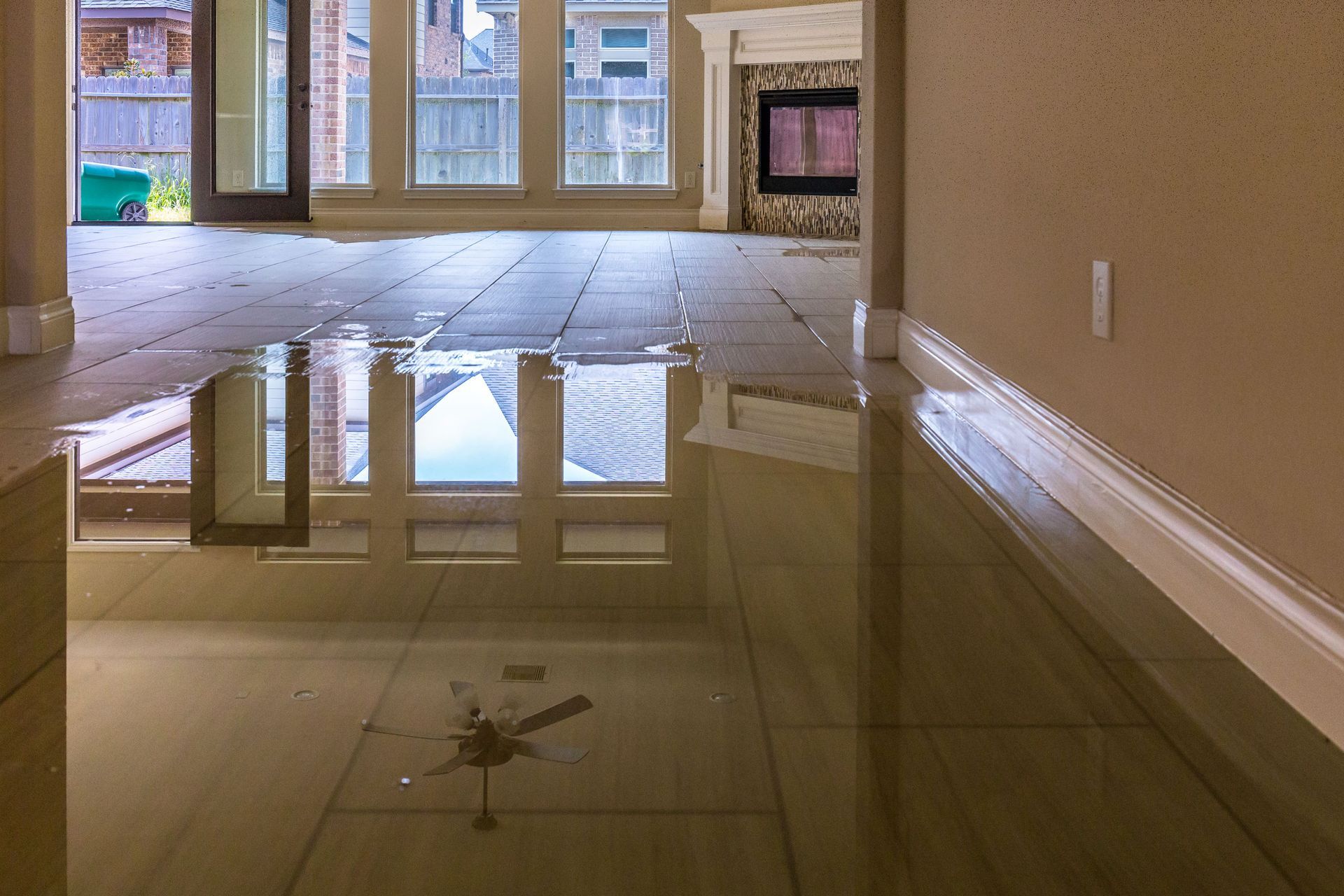
Floors are often among the first areas affected when water escapes from plumbing fixtures, appliances, or broken pipes. Carpet can absorb water quickly, hardwood can swell or warp, and laminate can separate when moisture reaches the seams. Tile may appear durable, but water can still seep into grout lines or beneath the surface if the problem continues long enough.
The subfloor underneath the visible flooring can also suffer damage. Once water reaches this layer, drying becomes more difficult because moisture may remain trapped below the surface. This can lead to soft spots, odors, and weakened areas that require repair or replacement. Calling for water damage services early can help identify whether moisture has spread below the flooring before the issue becomes more expensive.
Weakening Walls and Ceilings
Walls and ceilings can absorb water from leaks, overflowing fixtures, roof problems, or plumbing lines hidden behind surfaces. Drywall may bubble, stain, crack, or sag when exposed to moisture. Paint can peel, and trim may begin to separate from the wall. These visible signs may only show part of the problem because moisture often spreads beyond the area that looks wet.
Ceiling damage can be especially concerning because water may collect above the surface before it becomes visible. A sagging ceiling, brown stain, or dripping light fixture should never be ignored. These signs may indicate that water has pooled in a hidden space. Prompt attention helps reduce the risk of collapse, electrical hazards, and more extensive repairs.
Creating Mold and Odor Problems
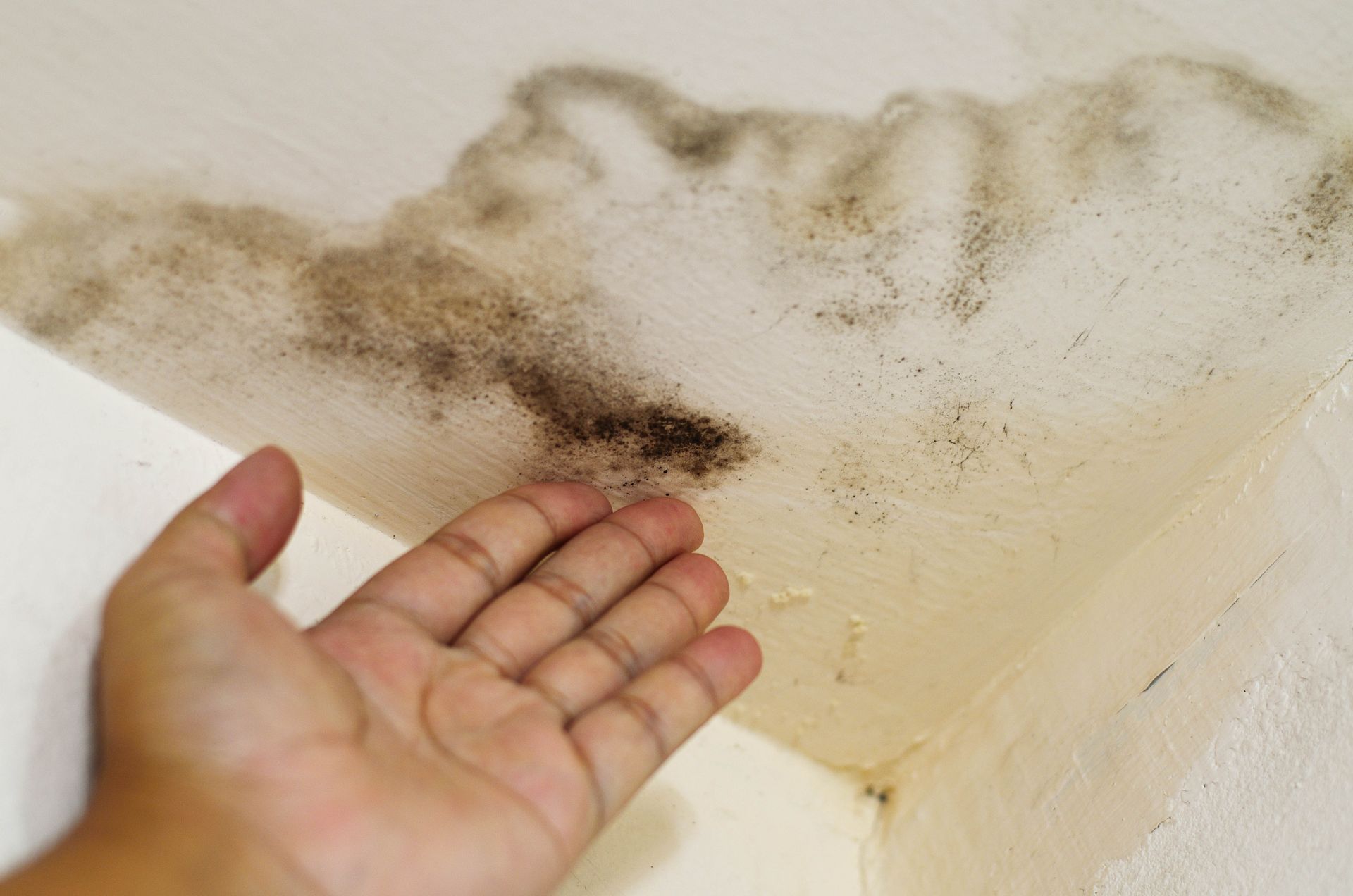
Moisture creates conditions where mold and mildew can develop. When running water is not addressed quickly, damp materials may begin to smell musty and unpleasant. Mold can grow behind walls, under flooring, inside cabinets, or around insulation, where it may not be easy to see. Once odors appear, the moisture problem may already be more widespread than expected.
Mold concerns can affect comfort, cleanliness, and indoor air quality. Simply drying the surface may not solve the issue if moisture remains trapped in hidden spaces. Professional water damage services can help locate wet materials and support proper drying. Removing excess moisture quickly is one of the most important steps in reducing the chance of mold-related problems after water exposure.
Ruining Cabinets and Woodwork
Cabinets, vanities, baseboards, doors, and built-in wood features can be damaged by running water. In kitchens and bathrooms, leaks under sinks or around appliances can soak cabinet bases before homeowners notice a problem. Wood and engineered materials may swell, discolor, crack, or lose strength after absorbing moisture for an extended period.
Once cabinets or woodwork begin to warp, they may not return to their original shape. Doors may stop closing properly, drawers may stick, and finishes may peel or bubble. Replacing these features can become costly, especially when the damage spreads across multiple rooms. Quick action can help limit the affected area and reduce the need for major replacement work.
Increasing Utility Costs
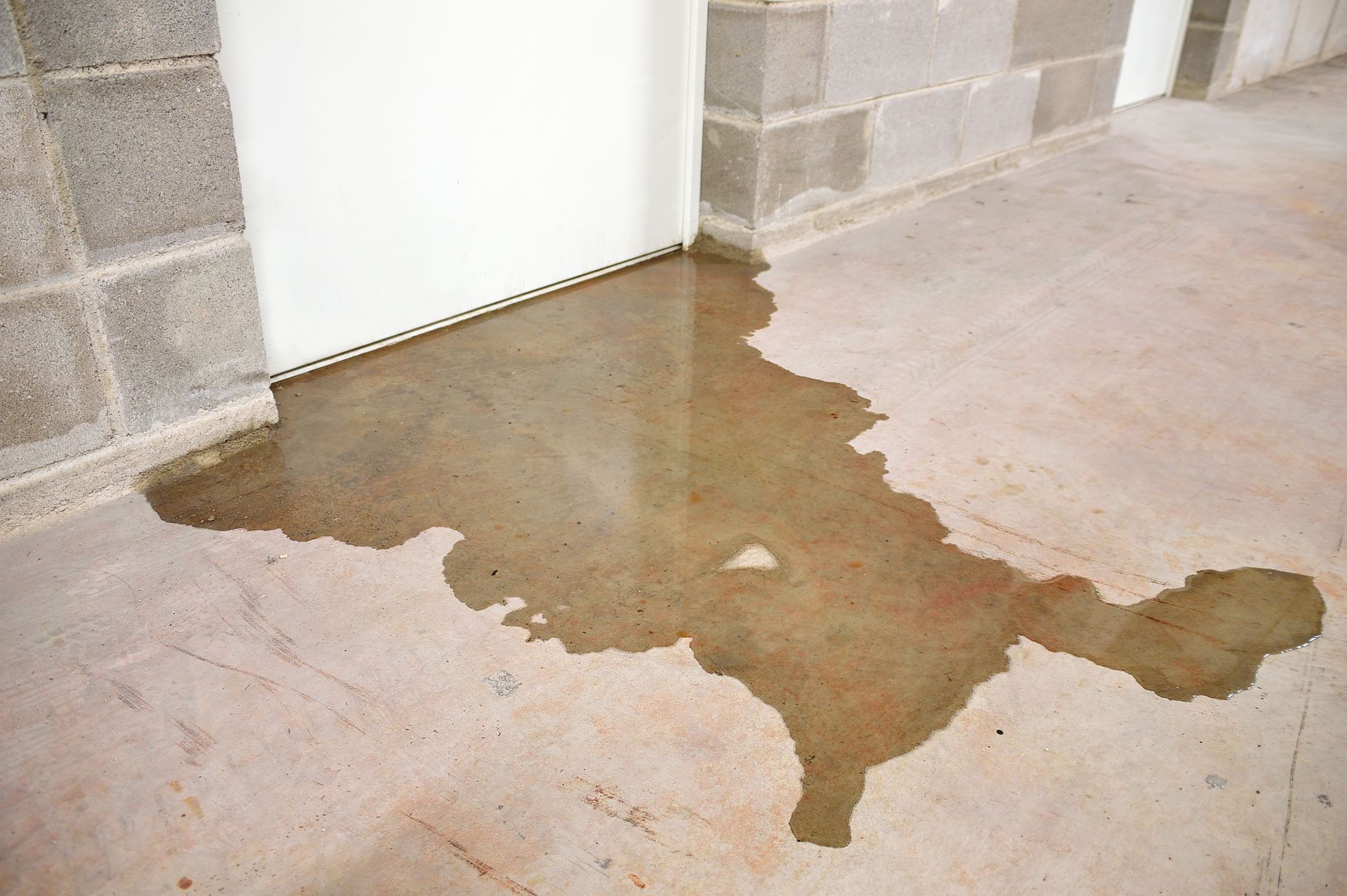
Running water can also lead to higher utility bills. A leak that seems small may waste a surprising amount of water over time. Toilets, faucets, supply lines, and appliances can continue using water even when they are not functioning correctly. If water use suddenly rises without a clear reason, a hidden or ongoing plumbing problem may be responsible.
According to Water Damage Defense, a toilet that runs continuously may waste more than 200 gallons of water each day. This fact shows how quickly water waste can add up when plumbing issues are ignored. Beyond the cost of wasted water, ongoing leaks can also increase the risk of property damage. Addressing the source promptly protects both your home and your budget.
Threatening Electrical Safety
Water and electricity create a dangerous combination. When running water reaches outlets, wiring, light fixtures, appliances, or electrical panels, the situation should be treated seriously. Even small amounts of moisture can create hazards if electrical components are involved. Homeowners should avoid touching wet electrical areas and should shut off power if it is safe to do so.
Electrical concerns are one reason water damage should not be handled casually. Affected areas may need inspection before normal use resumes. Water damage services can help coordinate the cleanup process while allowing qualified professionals to address electrical safety concerns when needed. Protecting people should always come before attempting to clean or dry an area on your own.
Damaging Personal Belongings
Running water can quickly damage personal belongings, furniture, electronics, documents, clothing, photographs, and stored items. Water may spread across floors, seep into storage areas, or drip from ceilings onto valuables. Items made from paper, fabric, wood, or electronics are especially vulnerable because they can absorb moisture or fail when exposed to water.
The emotional impact of damaged belongings can be just as stressful as the financial cost. Family photos, important paperwork, keepsakes, and furniture may be difficult or impossible to replace. Acting quickly gives homeowners a better chance of salvaging items before moisture causes permanent damage. Moving unaffected belongings away from the wet area can also help limit losses.
Compromising Structural Materials
In severe cases, running water can affect structural materials such as framing, floor joists, and support components. This is more likely when water flows for a long time, repeatedly leaks in the same area, or spreads into hidden spaces. Wood can weaken, fasteners may corrode, and building materials may lose stability when exposed to ongoing moisture.
Structural concerns are not always visible right away. A room may appear dry on the surface while moisture remains trapped behind walls or beneath flooring. Professional water damage services can help assess the extent of the problem and determine whether deeper drying or repairs are needed. Identifying hidden moisture early can help prevent larger structural issues later.
Disrupting Daily Life
Water damage can quickly disrupt normal routines. A flooded bathroom, wet kitchen floor, damaged bedroom ceiling, or unusable laundry area can make daily activities difficult. Families may need to move furniture, avoid certain rooms, schedule repairs, or temporarily change how they use the home. The longer the water remains, the more disruptive the situation can become.
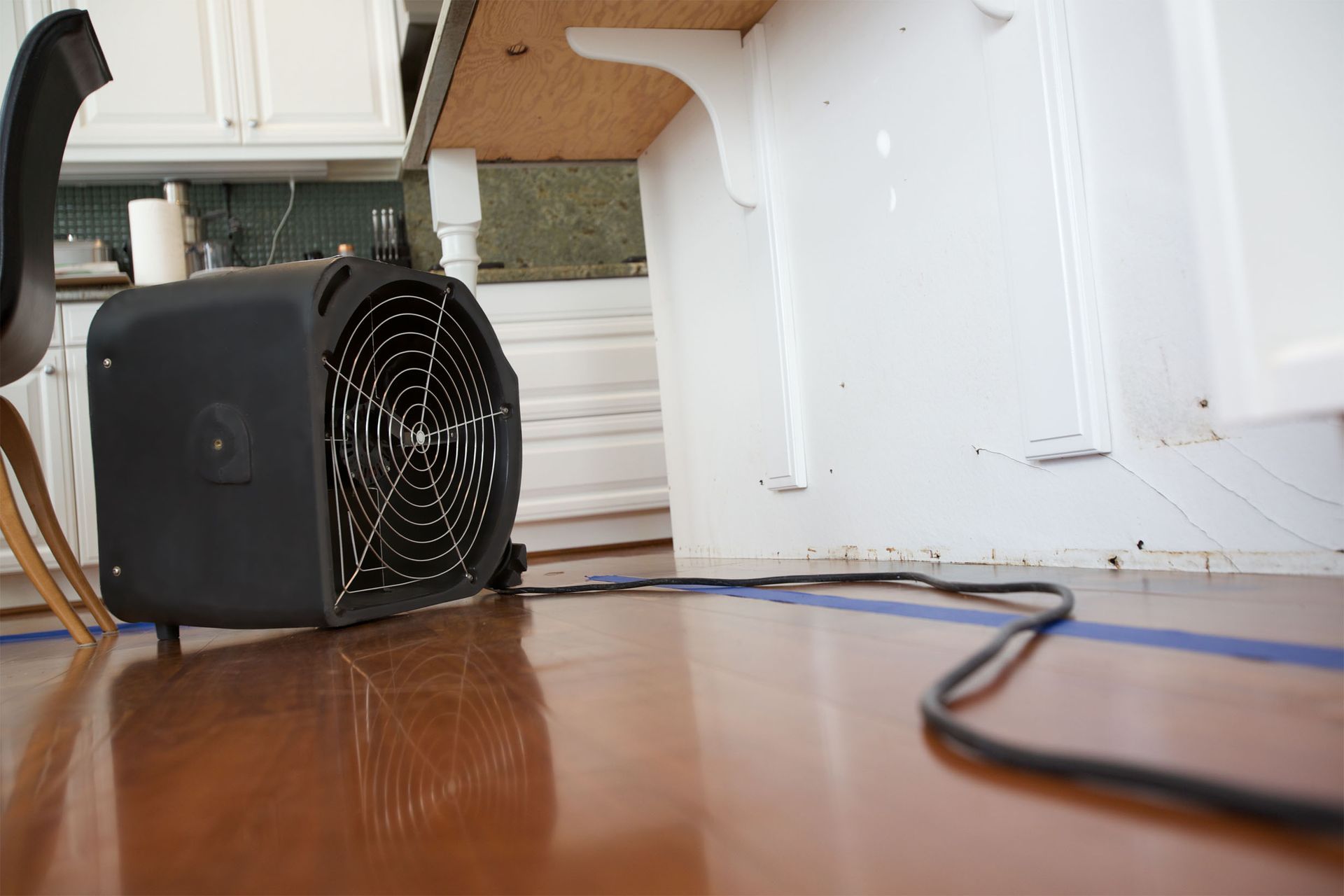
Fast response helps reduce stress and shorten the recovery process. Stopping the water source, removing standing water, drying affected areas, and documenting damage are important early steps. When the damage is extensive, water damage services can provide support that helps homeowners move from emergency response to restoration more efficiently.
Running water can cause serious damage to floors, walls, ceilings, cabinets, electrical systems, personal belongings, and structural materials when it is not addressed quickly. It can also create mold concerns, unpleasant odors, higher utility bills, and major disruptions to daily life. Even a small plumbing issue can become costly if water continues flowing unnoticed. Responding quickly helps limit damage, protect your home, and support a safer recovery process. When you need help after a leak, flood, or plumbing-related moisture problem, professional water damage services can make a meaningful difference. For reliable restoration support, contact Dart Services.